
The Sayings of the Desert Fathers, preserved across diverse sources like the Internet Archive and DOKUMEN․PUB, offer profound spiritual insights;
These apophthegms, numbering nearly 2500, originated with early Christian monks seeking solitude and divine connection, and are available in PDF format․
Benedicta Ward’s translation and John Wortley’s annotated edition provide access to this rich tradition, revealing a commitment to poverty, humility, and simplicity․
Historical Context: 4th Century Origins
The emergence of the Desert Fathers and their sayings is deeply rooted in the 4th century, a period of significant religious and social transformation within the Roman Empire․ Following the legalization of Christianity by Constantine in 313 AD, a wave of individuals sought a more radical and ascetic expression of their faith․
Driven by a desire for solitude and direct communion with God, these early monks retreated to the harsh and remote deserts of Egypt, Palestine, and Syria․ This movement wasn’t characterized by formal theological treatises, but rather by a lived spirituality, expressed through brief, impactful pronouncements – the apophthegms – now accessible in PDF collections from resources like the Internet Archive․
These sayings, initially circulated orally, reflected the practical wisdom gained from confronting the challenges of monastic life․ The DOKUMEN․PUB archive highlights how these tales and reflections were compiled and widely disseminated, shaping early Christian spirituality and laying the groundwork for future monastic traditions․ The context of persecution and subsequent freedom fueled this search for deeper meaning․
The Apophthegmata Patrum: Defining the Genre
The Apophthegmata Patrum, or “Sayings of the Fathers,” represent a unique literary genre born from the oral traditions of the early desert monks․ These aren’t systematic theological arguments, but rather concise, memorable statements – often anecdotes – capturing the essence of their spiritual insights․ Available in PDF format through resources like the Internet Archive, these collections offer a glimpse into the practical wisdom of these ascetics․
The genre is defined by its brevity and focus on concrete situations․ Each apophthegm typically presents a brief story or a direct saying attributed to a specific Desert Father, illustrating a particular virtue or offering guidance on overcoming spiritual obstacles․ DOKUMEN․PUB showcases editions like those edited by John Wortley, which provide valuable context and notes․
This style prioritizes directness and impact, aiming to provoke reflection rather than provide exhaustive explanations․ The power of the genre lies in its ability to convey profound truths through simple, relatable narratives․
Key Figures: Prominent Desert Fathers
Numerous figures populate the collections of Sayings of the Desert Fathers, readily accessible in PDF form via platforms like the Internet Archive․ While many remain anonymous, certain names recur frequently, embodying the core tenets of this ascetic tradition․
Abba Anthony, often considered the father of monasticism, features prominently, his sayings emphasizing the struggle against temptation and the pursuit of inner peace․ Amma Syncletica, a remarkable female ascetic, offers wisdom on discernment and humility․ Other notable figures include Abba Poemen, known for his practical advice, and Abba Moses, whose conversion story is particularly inspiring․
Editions curated by scholars like John Wortley (available on DOKUMEN․PUB) often provide biographical details, enriching our understanding of these influential spiritual guides and their enduring legacy․

Sources and Translations of the Sayings
Sayings of the Desert Fathers exist in Greek, Latin, Syriac, and other sources, now available as PDFs․ Wortley and Ward offer key translations․
Greek Sources: The Primary Collection
The vast majority of Sayings of the Desert Fathers initially circulated and were meticulously preserved in the Greek language․ These represent the foundational collection, forming the core of what we know today about the wisdom and practices of these early Christian ascetics․ Many of these Greek texts are now accessible digitally, often found within comprehensive PDF compilations available through resources like the Internet Archive and DOKUMEN․PUB․
Scholars emphasize that understanding the original Greek is crucial for nuanced interpretation, as translations inevitably involve some degree of interpretive choice․ However, readily available English translations, such as those by John Wortley, build upon these primary Greek sources, making the teachings accessible to a wider audience․ The Greek collections provide the most extensive body of apophthegms, offering a direct window into the spiritual lives of the Desert Fathers․
Latin Sources: Expanding the Corpus
While the Greek sources form the primary foundation, Latin translations and collections significantly expanded the corpus of Sayings of the Desert Fathers․ These Latin versions, often derived from Greek originals, demonstrate the widespread influence of the Desert Fathers’ wisdom throughout the early Church․ Access to these Latin texts, sometimes found within larger PDF documents on platforms like DOKUMEN․PUB, reveals variations and adaptations of the sayings as they were received in the Western tradition․
John Wortley’s work acknowledges the importance of the Latin sources, noting that they contain unique material not found in the Greek collections․ Studying these Latin versions provides valuable insight into how the teachings were interpreted and applied in different cultural and theological contexts․ These sources complement the Greek originals, enriching our understanding of this pivotal period in Christian history․
Syriac, Armenian, Coptic & Ethiopic Sources: Diverse Traditions
Beyond Greek and Latin, the Sayings of the Desert Fathers circulated and were preserved in Syriac, Armenian, Coptic, and Ethiopic (Geez) traditions, showcasing their broad geographical reach․ These diverse sources, often accessible through digital archives and potentially compiled in comprehensive PDF collections like those found on DOKUMEN․PUB, offer unique perspectives and variations on the core teachings․

John Wortley’s research highlights the importance of examining these lesser-known collections, as they contain sayings not found elsewhere․ The preservation of these texts in different languages demonstrates the enduring appeal and adaptability of the Desert Fathers’ wisdom across various cultural and linguistic landscapes․ These sources enrich our understanding of the early monastic movement and its lasting legacy․
Modern English Translations: John Wortley & Benedicta Ward
Accessing the Sayings of the Desert Fathers in English is greatly facilitated by the work of translators like John Wortley and Benedicta Ward․ Wortley’s “More Sayings of the Desert Fathers” provides a comprehensive translation with detailed notes, often available as a PDF through resources like DOKUMEN․PUB․
Ward’s translation, also readily found on platforms like the Internet Archive, offers a classic and accessible rendering of these spiritual gems․ These translations are invaluable for contemporary readers seeking to engage with the wisdom of the early monks․ Both scholars meticulously compiled and presented these apophthegms, ensuring their continued relevance and accessibility for spiritual seekers today․
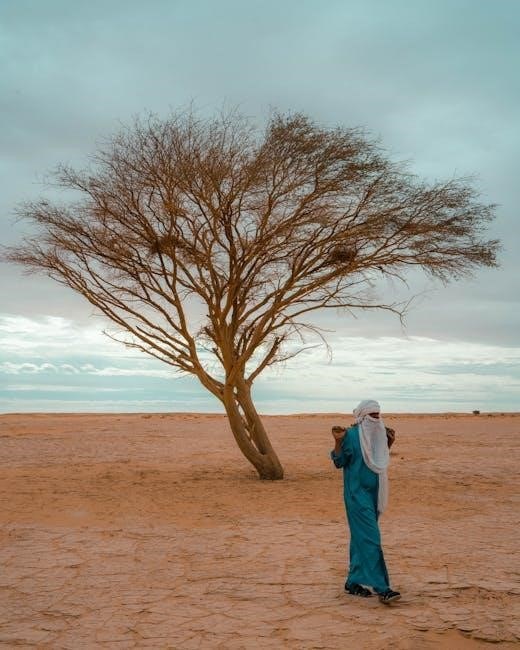
Themes and Core Teachings
The Sayings, often found in PDF format, emphasize humility, asceticism, prayer, and combating negative thoughts—core tenets of early monastic life and spiritual growth․
Humility and Self-Denial
The Sayings of the Desert Fathers, readily accessible in PDF editions from sources like the Internet Archive and DOKUMEN․PUB, consistently highlight humility as paramount․ These early monks, often described as “uneducated peasants,” actively rejected worldly pride and embraced a life of radical self-denial․
Numerous apophthegms illustrate this principle; stories depict fathers accepting insults without retort, confessing their failings openly, and viewing all accomplishments as gifts from God․ The emphasis wasn’t merely on outward austerity, but on an internal disposition free from self-importance․
This profound humility extended to accepting correction, recognizing one’s own limitations, and prioritizing the needs of others․ The Sayings demonstrate that true spiritual progress begins with acknowledging one’s dependence on divine grace and relinquishing the desire for personal recognition․
Asceticism and Simplicity
The Sayings of the Desert Fathers, available in PDF format through resources like DOKUMEN․PUB and the Internet Archive, frequently address asceticism and a life of deliberate simplicity․ These early Christian monks intentionally distanced themselves from material possessions and worldly comforts, believing they hindered spiritual growth․
The apophthegms reveal a commitment to minimizing needs – often subsisting on meager rations and embracing poverty as a path to freedom․ This wasn’t about self-inflicted suffering, but about detaching from the allure of the material world to focus on the divine․
Simplicity extended beyond possessions to encompass speech and action, advocating for a life of quiet contemplation and purposeful labor․ The Sayings demonstrate that by reducing external dependencies, one could cultivate inner peace and deepen their relationship with God․
The Importance of Prayer and Solitude
The Sayings of the Desert Fathers, readily accessible in PDF versions via platforms like the Internet Archive and DOKUMEN․PUB, consistently emphasize the vital roles of prayer and solitude in the spiritual life․ The monks sought the Egyptian desert precisely to escape worldly distractions and dedicate themselves to uninterrupted communion with God․
These apophthegms reveal that solitude wasn’t merely physical isolation, but a deliberate creation of inner space for focused prayer and self-reflection․ Prayer was not seen as a ritual, but as a continuous conversation with the divine, a heartfelt seeking of guidance and grace․
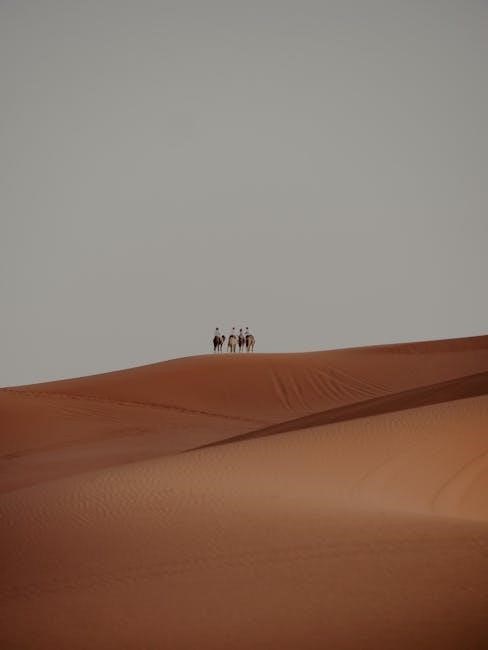
The Sayings illustrate that through persistent prayer and embracing solitude, the Desert Fathers aimed to purify their hearts and attain a deeper understanding of God’s will․
Combating Thoughts and Passions
The Sayings of the Desert Fathers, available in PDF format through resources like DOKUMEN․PUB and the Internet Archive, frequently address the internal battles against intrusive thoughts and unruly passions․ These early monks recognized the mind as a primary battlefield in the pursuit of spiritual purity․
The apophthegms reveal strategies for confronting and overcoming these challenges, often emphasizing vigilance, self-awareness, and the power of prayer․ They advocated for recognizing harmful thoughts as temptations, rather than identifying with them, and actively redirecting the mind towards God․
The Sayings demonstrate that mastering one’s passions wasn’t about suppression, but about transforming them through disciplined practice and unwavering faith, ultimately leading to inner peace․
Impact and Legacy
The Sayings of the Desert Fathers, accessible in PDF editions, profoundly shaped Eastern Orthodox and Western Monastic spirituality, offering timeless wisdom․
Their influence continues today, inspiring contemporary seekers through resources like the Internet Archive and DOKUMEN․PUB․
Influence on Eastern Orthodox Spirituality
The Sayings of the Desert Fathers form a cornerstone of Eastern Orthodox spiritual life, deeply embedded within its hesychastic tradition․ These apophthegms, readily available in PDF format through resources like the Internet Archive and DOKUMEN․PUB, aren’t merely historical anecdotes but living guidance․
They articulate the core principles of apatheia – freedom from passions – and the pursuit of theosis – union with God through divine grace․ The emphasis on inner watchfulness, humility, and unceasing prayer, central to the sayings, directly informs Orthodox monastic rules and liturgical practices․
Works like those translated by John Wortley and Benedicta Ward provide access to this foundational wisdom, shaping the spiritual direction of countless Orthodox Christians․ The sayings’ concise, impactful nature lends itself to lectio divina and continual reflection, fostering a deeply experiential faith․
Impact on Western Monasticism
The Sayings of the Desert Fathers, accessible in PDF form via platforms like DOKUMEN․PUB and the Internet Archive, profoundly influenced the development of Western Monasticism․ Though initially transmitted through Latin translations, their impact resonated deeply with figures like St․ Benedict․
The emphasis on communal life, manual labor, and a balanced approach to asceticism, found within the sayings, shaped the Rule of St․ Benedict, a foundational document for Western monastic orders․ The pursuit of humility, simplicity, and obedience, core themes in the apophthegms, became central tenets of Benedictine spirituality․
Translations by scholars like John Wortley and Benedicta Ward continue to make this wisdom available, demonstrating the enduring relevance of the Desert Fathers’ insights for Western monastic life and beyond․
Relevance for Contemporary Spirituality
Despite originating in the 4th century, The Sayings of the Desert Fathers, readily available in PDF format through resources like the Internet Archive and DOKUMEN․PUB, retain remarkable relevance for contemporary spiritual seekers․ Their concise wisdom addresses universal human struggles – combating negative thoughts, cultivating inner peace, and finding meaning in a complex world․
The emphasis on simplicity, solitude, and self-awareness offers a powerful antidote to the distractions of modern life․ Translations by John Wortley and Benedicta Ward make these ancient teachings accessible, providing practical guidance for cultivating a more mindful and intentional existence․
The apophthegms challenge us to examine our motivations and prioritize spiritual growth, offering a timeless path to inner transformation․

Accessing the Sayings in PDF Format
The Sayings of the Desert Fathers are conveniently available as PDF downloads via Internet Archive and DOKUMEN․PUB, offering easy access․
Benedicta Ward’s translation is also accessible in digital format․
Online Archives: Internet Archive
The Internet Archive serves as a valuable repository for digitized texts, including several editions of The Sayings of the Desert Fathers available in PDF format․
Users can freely download, borrow, and stream these resources, facilitating widespread access to this foundational collection of early Christian monastic wisdom․
Specifically, “The Desert Fathers: sayings of the early Christian monks” is available, offering a comprehensive compilation of apophthegms․ The archive’s metadata indicates this resource was added on May 31, 2022․
Furthermore, “sayings-of-the-desert-fathers” by Benedicta Ward is also hosted, uploaded on July 19, 2021, providing another avenue for exploring these spiritual teachings․ The Internet Archive’s commitment to preserving and sharing knowledge makes it an indispensable resource for scholars and spiritual seekers alike․
DOKUMEN․PUB Resources
DOKUMEN;PUB hosts “More Sayings of the Desert Fathers: An English Translation and Notes” (9781108471084, 9781108570411) as a readily accessible PDF resource․
This edition, edited by John Wortley with a preface by Samuel Rubenson, presents a substantial collection of apophthegms, encompassing tales and sayings from the early Christian monks․
The book’s table of contents reveals a structured organization, including sayings preserved in Greek, Latin, Syriac, Armenian, Coptic, and Ethiopic traditions․
It also features a glossary and comprehensive indexes of persons and places, enhancing its value for research and study․ DOKUMEN․PUB provides a convenient platform for accessing this scholarly translation and exploring the diverse origins of these timeless spiritual insights, offering a wealth of material for those interested in the Desert Fathers․
Availability of Different Editions
Several editions of the Sayings of the Desert Fathers are available in PDF format through various online archives․ Benedicta Ward’s translation, found on the Internet Archive, offers a classic rendering of these spiritual gems․

DOKUMEN․PUB provides John Wortley’s more recent edition, “More Sayings of the Desert Fathers,” with extensive notes and a detailed scholarly approach․
These resources cater to different preferences, from a straightforward translation to a more in-depth, annotated study․ The Internet Archive also hosts digitized versions of older editions, offering a historical perspective․
Accessing these PDF versions allows for convenient study and research, enabling readers to delve into the wisdom of the Desert Fathers at their own pace, exploring the nuances of different translations and interpretations․

Analyzing the Structure of the Sayings
The Sayings, often found in PDF form, are remarkably brief and concise, employing an anecdotal style to convey practical wisdom and spiritual guidance․
Brevity and Conciseness
The Sayings of the Desert Fathers, readily accessible in PDF format through resources like the Internet Archive and DOKUMEN․PUB, are characterized by their striking brevity․ These aren’t lengthy treatises, but rather concise, impactful statements – apophthegms – distilled from the experiences and insights of early monastic life․
This conciseness isn’t a limitation, but a deliberate stylistic choice․ Each saying aims to deliver a potent spiritual lesson with minimal verbiage, demanding contemplation from the reader․ The power lies in their ability to encapsulate profound truths within a few carefully chosen words․
Translations by scholars like John Wortley and Benedicta Ward maintain this essential quality, ensuring the original’s directness isn’t lost․ The succinct nature makes them easily memorizable and applicable to daily life, fostering continuous reflection․
Anecdotal Style and Storytelling
The Sayings of the Desert Fathers, available in PDF versions from platforms like DOKUMEN․PUB and the Internet Archive, rarely present abstract theological arguments․ Instead, they predominantly employ an anecdotal style, conveying wisdom through short, relatable stories and vignettes․
These aren’t systematic teachings, but rather glimpses into the lives of the early monks – their struggles, their triumphs, and their interactions with others․ This storytelling approach makes the spiritual lessons more accessible and memorable․
Benedicta Ward’s and John Wortley’s translations preserve this narrative quality, allowing readers to connect with the humanity of the Desert Fathers․ The power resides in witnessing their practical application of faith, rather than simply being told about it․
Focus on Practical Wisdom
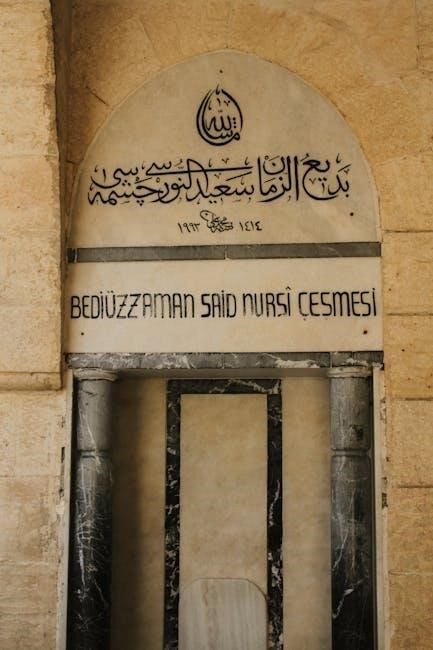
The Sayings of the Desert Fathers, readily accessible in PDF format through resources like the Internet Archive and DOKUMEN․PUB, prioritize practical guidance for spiritual life over complex doctrine․ These apophthegms aren’t concerned with abstract theological debates, but with the concrete challenges of daily living․
They offer direct advice on overcoming temptations, cultivating humility, and fostering a deeper relationship with God․ John Wortley’s annotated translations and Benedicta Ward’s work highlight this emphasis on actionable wisdom․
The sayings address everyday struggles, offering solutions rooted in simplicity, self-awareness, and unwavering faith․ This focus makes them remarkably relevant, even centuries after their origin, providing timeless tools for spiritual growth․