
Wrist Size Guide: Finding Your Perfect Fit (Updated March 14, 2026)
Finding the ideal watch size hinges on accurate wrist measurement! This guide details how to measure, understand terminology, and choose a comfortable, stylish fit.
Determining the right watch size is crucial for both aesthetics and comfort. A watch that’s too large can appear disproportionate and feel cumbersome, while one that’s too small might get lost on the wrist. This guide aims to demystify the process, ensuring you select a timepiece that complements your build.
Wrist size, measured as circumference, is the foundation for finding the perfect watch. Men’s watches generally feature larger case diameters and straps compared to women’s models. However, personal preference plays a significant role. Understanding key measurements – case diameter, lug-to-lug, and strap width – is essential for compatibility and a balanced look. We’ll explore these concepts and provide a comprehensive chart to guide your selection.
Why Accurate Measurement Matters
Precise wrist measurement is paramount to a satisfying watch-wearing experience. An incorrect measurement can lead to a watch that feels either too tight, restricting circulation and causing discomfort, or too loose, appearing insecure and potentially damaging the timepiece.
Beyond comfort, accurate sizing significantly impacts the watch’s visual harmony with your wrist. A well-proportioned watch enhances your overall style, while a poorly sized one can detract from it. Considering bracelet or strap length is also vital; a proper fit ensures security and prevents unwanted movement. Ultimately, taking the time to measure correctly guarantees a watch that looks and feels its best, reflecting your personal style and providing lasting enjoyment.
Tools You’ll Need for Measurement
Fortunately, determining your wrist size requires minimal equipment! The most accurate method utilizes a flexible measuring tape – the kind commonly found in sewing kits. This allows for a snug, yet comfortable, measurement around your wrist bone.
However, a measuring tape isn’t strictly necessary. A non-stretchable strip of material, such as a piece of paper, ribbon, or even a length of cord, will suffice. You’ll also need a standard ruler or measuring scale to accurately determine the length of the strip after it’s been wrapped around your wrist. These simple tools, readily available in most households, empower you to find your perfect watch fit with ease and confidence.

Measuring Your Wrist
Accurate wrist measurement is crucial for selecting a properly sized watch! We’ll explore two straightforward methods – using a flexible tape or a non-stretchable strip.
Method 1: Using a Flexible Measuring Tape
Employing a flexible measuring tape is the most direct approach to determining your wrist size. Begin by positioning the tape snugly, but not tightly, around your wrist bone. Ensure the tape lies directly over your wrist, avoiding any compression or looseness.
Record the measurement where the tape overlaps itself. It’s beneficial to have a friend assist for greater accuracy. Double-check the reading to confirm its correctness. Remember, this measurement represents your wrist circumference – the total distance around your wrist.
For optimal results, measure your non-dominant wrist, as it tends to be slightly smaller. This ensures the watch will comfortably fit even when your wrist is at its fullest. This method provides a precise foundation for selecting the appropriate watch case diameter and bracelet size.
Method 2: Using a Non-Stretchable Strip (Paper, Ribbon, Cord)
If a flexible measuring tape isn’t available, a non-stretchable strip offers a viable alternative. Utilize a piece of paper, ribbon, or cord – crucial is that it doesn’t expand or contract. Wrap the strip snugly around your wrist, mirroring the placement of a measuring tape: directly over the wrist bone, without tightness.
Carefully mark the point where the strip completes a full circle around your wrist. Remove the strip and lay it flat. Now, using a standard ruler or measuring tape, precisely measure the length from the starting point to the marked point.
This measurement, in centimeters or inches, represents your wrist circumference. Accuracy is key; ensure the ruler is aligned straight. This method, while requiring an extra step, delivers a reliable wrist size for selecting the perfect watch.
Ensuring an Accurate Measurement
Precision is paramount when determining your wrist size for a comfortable watch fit. Avoid measuring too tightly, as this will result in an undersized estimate. Conversely, a loose measurement leads to a watch that feels insecure. Aim for a snug, but not constricting, fit – similar to how a bracelet should sit.
Double-check your measurement! Repeat the process a couple of times to confirm consistency. Slight variations are normal, but significant discrepancies indicate a need for re-measurement.

When using a strip of paper or cord, ensure it lies flat against your wrist and the ruler is aligned correctly. Remember to measure at the same point on your wrist each time. A precise measurement is the foundation for selecting a watch that complements both your style and comfort.

Understanding Watch Size Terminology
Key measurements – case diameter, lug-to-lug, and bracelet/strap width – define watch size and compatibility. Knowing these terms ensures a perfect fit!
Case Diameter: The Watch Face Size
The case diameter is the most straightforward watch measurement, representing the width of the watch face itself. It’s typically measured in millimeters (mm) and significantly impacts the watch’s overall appearance on your wrist. Generally, men’s watches tend to have larger case diameters than women’s models, but personal preference plays a crucial role.
A larger case diameter makes a bolder statement, while a smaller diameter offers a more understated and classic look. When considering case diameter, think about your wrist size; a very large watch on a small wrist can appear disproportionate, and vice versa. It’s the base size for determining overall watch proportions. Remember to consider the lug-to-lug measurement alongside the case diameter for a complete understanding of the watch’s size.
Lug-to-Lug Measurement: Overall Length
The lug-to-lug measurement is critical, often overlooked, and defines the watch’s total length. It’s the distance between the tips of the lugs – the parts that connect the watch strap or bracelet to the watch case. This measurement is arguably more important than case diameter, as it dictates how the watch will sit on your wrist and prevents overhang.
A watch with a lug-to-lug measurement exceeding your wrist circumference will feel awkward and uncomfortable. Ideally, the lug-to-lug should be equal to or slightly shorter than your wrist size. Consider this alongside the case diameter for a harmonious fit. Measuring accurately ensures the watch complements your wrist, avoiding a bulky or unbalanced appearance. It’s a key factor in achieving a comfortable and aesthetically pleasing wear.
Bracelet/Strap Width: Compatibility Considerations
Bracelet or strap width, measured in millimeters (mm), is vital for compatibility and aesthetic balance. It refers to the width where the bracelet or strap connects to the watch case at the lugs. Most watches utilize standard widths like 18mm, 20mm, 22mm, and 24mm, but variations exist.
Ensuring the correct width is crucial; an incorrect size won’t fit properly. Wider straps visually balance larger watches, while narrower straps suit smaller cases. Aftermarket straps offer extensive customization, but always verify compatibility with your watch’s lug width. Adapters can sometimes bridge minor width differences, but aren’t always ideal. Prioritize a secure and flush fit to maintain the watch’s integrity and appearance.

Wrist Size & Recommended Watch Case Diameter Chart
This chart correlates wrist circumference with ideal watch case diameters for proportional aesthetics and comfortable wear. Find your size below!
Wrist Sizes 5.5 — 6.5 Inches (14 ‒ 16.5 cm)
For wrists measuring between 5.5 and 6.5 inches (14 to 16.5 cm), a more delicate watch aesthetic generally complements the build. Case diameters in the 30mm to 38mm range are typically recommended, offering a balanced and proportional look. Smaller watch faces prevent the watch from appearing overwhelming on a smaller wrist.
Consider strap widths of 14mm to 18mm for optimal comfort and visual harmony. When exploring options, remember that personal preference plays a significant role. While these guidelines offer a starting point, don’t hesitate to try on slightly larger or smaller watches to determine what feels and looks best for you. A comfortable fit is paramount, ensuring the watch can be worn all day without feeling restrictive or bulky.
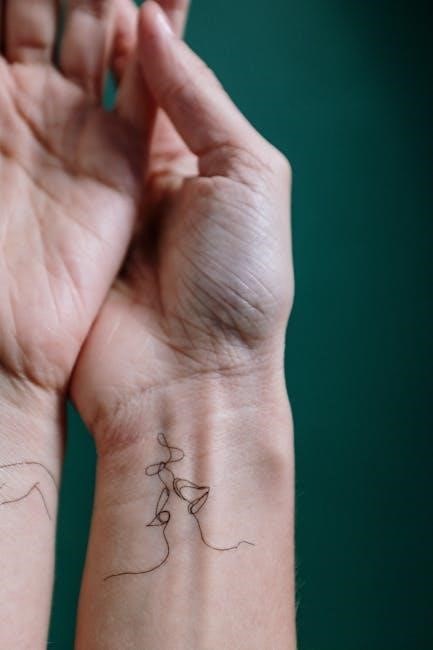
Wrist Sizes 6.5 ‒ 7.5 Inches (16.5 — 19 cm)
Individuals with wrist sizes ranging from 6.5 to 7.5 inches (16.5 to 19 cm) have a versatile range for watch selection. This size comfortably accommodates a wider variety of case diameters, generally between 38mm and 42mm. These dimensions provide a balanced appearance, neither too dainty nor overly large. Strap widths of 18mm to 20mm are commonly recommended for this wrist circumference, ensuring a proportionate and comfortable fit.
Experimenting with different styles is encouraged! Both classic and modern designs can work well. Remember to prioritize comfort; a watch should sit securely without feeling tight. Consider the lug-to-lug measurement to ensure the watch doesn’t overhang the wrist. Ultimately, the best size is the one that feels most natural and aesthetically pleasing to the wearer.
Wrist Sizes 7.5 ‒ 8.5 Inches (19 — 21.6 cm)
For wrists measuring between 7.5 and 8.5 inches (19 to 21.6 cm), larger watch sizes generally provide the most balanced aesthetic. Case diameters in the 42mm to 46mm range are typically recommended, offering a substantial yet proportionate look. Strap widths of 20mm to 22mm complement this wrist size effectively, ensuring comfort and visual harmony. Individuals with larger wrists can confidently explore bolder watch designs and more prominent features.
It’s crucial to pay attention to the lug-to-lug measurement to prevent overhang. A well-fitting watch should sit comfortably and securely without feeling constricting. Don’t hesitate to try on various styles to discover what best suits your personal preference and wrist shape.
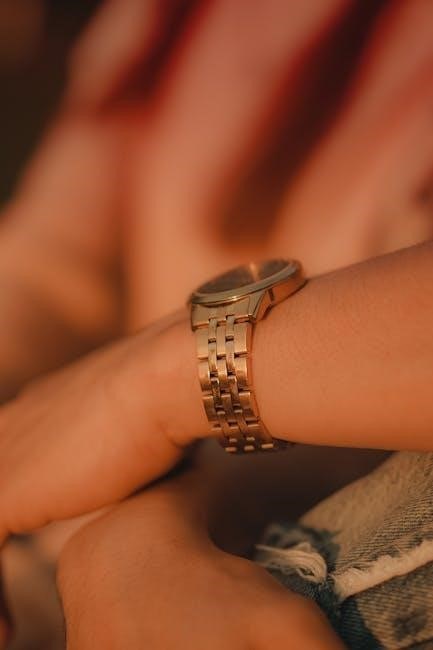
Bracelet/Strap Sizing
Bracelet and strap sizes are crucial for comfort and style! Standard sizes differ between men and women, with options for a snug or relaxed fit.
Standard Bracelet Sizes for Women
Determining the correct bracelet size for women requires understanding that it varies based on wrist circumference and personal preference. The most common women’s wrist size within the EU typically falls between 15.5cm and 16;5cm. However, a standard bracelet size for women is generally considered to be 7 inches (approximately 17.78cm) in total circumference.
It’s important to remember that these are averages, and individual manufacturers may have slight variations in their sizing charts. Bracelets are often custom-made after an order is placed, allowing for a more precise fit. When measuring, ensure the tape or strip is snug but not overly tight, mirroring how the bracelet will comfortably sit on the wrist. If your wrist size deviates from the standard, don’t hesitate to contact the seller for assistance.
Standard Bracelet Sizes for Men
Generally, men’s wrists are larger, necessitating different standard bracelet sizes compared to women’s. A commonly cited standard bracelet size for men is 8 inches (approximately 20.32cm) in total circumference. However, like women’s sizes, this is an average and can fluctuate depending on the individual’s wrist measurement and the bracelet’s style.
Men’s bracelets, mirroring women’s, are frequently custom-made post-order to ensure a perfect fit. When measuring, maintain a snug, comfortable fit – not too loose, nor constricting. Variations exist between manufacturers, so consulting specific sizing charts is crucial. If your wrist size doesn’t align with standard offerings, contacting the seller is recommended. Remember, a comfortable fit enhances both the style and enjoyment of your timepiece.
Comfort Fit vs. Snug Fit: Personal Preference
The ideal bracelet tightness is largely subjective, boiling down to personal comfort. A “comfort fit” allows for a slight degree of movement between the bracelet and your wrist, preventing constriction and ensuring all-day wearability; Conversely, a “snug fit” sits closer to the wrist, offering a more secure feel and a streamlined aesthetic.

Consider your activity level; a more active lifestyle might benefit from a snugger fit to minimize shifting. Think about the bracelet’s style – heavier bracelets may feel more comfortable with a bit of looseness. Ultimately, the best fit is one you barely notice while wearing the watch. Experimenting with different tightness levels is key to discovering your preferred balance between security and comfort.
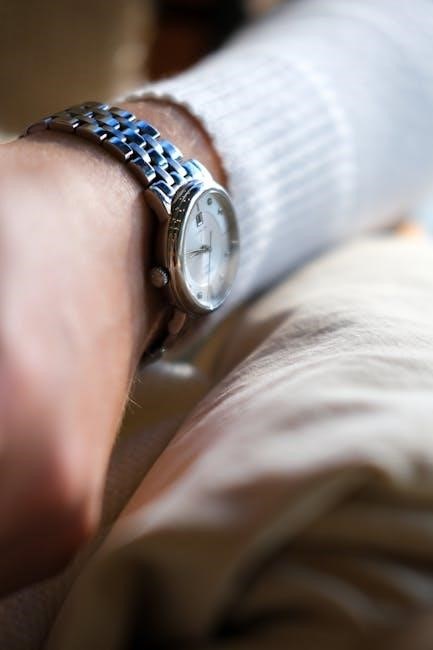
Downloadable & Printable Wrist Measurement Guide
Easily determine your wrist size with our printable ruler! Download, print (ensuring no scaling), cut, and wrap around your wrist for an accurate measurement.
Printing Considerations: Maintaining Scale
Accurate printing is crucial for a reliable wrist measurement. When downloading and printing the guide, it’s absolutely essential to disable any scaling options within your printer settings. Scaling alters the ruler’s dimensions, leading to an incorrect wrist size reading and, consequently, an ill-fitting watch or bracelet.
Look for settings labeled “Fit to Page,” “Scale to Fit,” or similar and ensure they are not selected. The ruler should print at 100% of its original size. Before cutting, compare the ruler’s length to a known measurement, like an inch or centimeter, to verify its accuracy. A slight discrepancy can significantly impact your final wrist size determination. Prioritize precision for the best results!
Using the Printable Ruler
Once printed correctly, utilizing the ruler is straightforward. Carefully cut out the ruler along the indicated lines, ensuring a clean and precise edge. Wrap the ruler snugly around your wrist, positioning it as you would wear a watch – not too tight, not too loose.
Ensure the ruler lies flat against your skin and isn’t twisted or overlapping. Mark the point on the ruler where it meets the end of the scale. This mark indicates your wrist circumference. Measure this distance with a separate ruler or measuring tape to obtain your wrist size in centimeters or inches. Remember, accuracy is key for a comfortable and stylish watch fit!
Alternative: Using a Traditional Measuring Tape
For those preferring a classic approach, a flexible measuring tape works perfectly. Position the tape around your wrist, similar to where you’d wear a watch – comfortably snug, but not constricting. Ensure the tape is level and doesn’t angle upwards or downwards, as this will skew the measurement.
Read the measurement where the end of the tape meets the main body of the tape. Record this number in centimeters or inches. It’s helpful to have someone assist you to ensure an accurate and consistent reading. Double-check the measurement to confirm its precision, as even a small difference can impact your watch size selection.
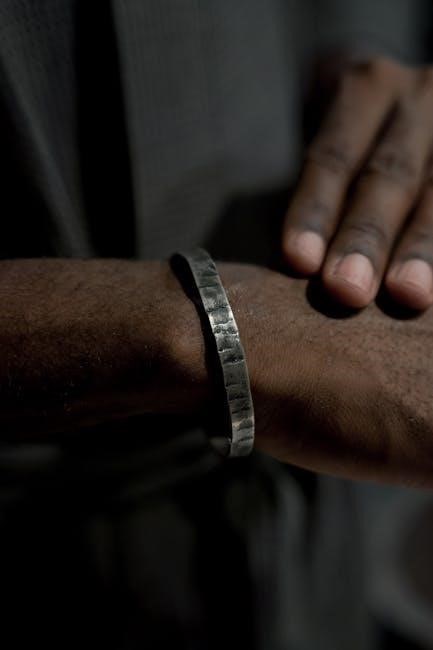
Watch Size Examples Based on Wrist Circumference (17cm/6.7 inch)
A 17cm wrist can accommodate various sizes! Examples include 43mm, 46mm, 36mm, and 41mm watches, demonstrating proportional aesthetics for different preferences.
Example A: 43mm Watch
Considering a 43mm watch on a 17cm (6.7 inch) wrist? This size generally presents a balanced and proportional look. It’s substantial enough to make a statement without overwhelming a smaller wrist. The watch face won’t appear excessively large or disproportionate, offering a classic and versatile aesthetic.
For individuals preferring a noticeable yet comfortable presence, a 43mm case diameter is often an excellent choice. It strikes a good balance between visibility and wearability. This size works well with various strap materials and styles, allowing for personalization. It’s a popular option for those seeking a modern and stylish timepiece that complements their wrist size effectively.
Example B: 46mm Watch
A 46mm watch on a 17cm (6.7 inch) wrist creates a bolder, more prominent appearance. While some may appreciate this statement style, it can appear quite large and potentially overwhelming for a smaller wrist circumference. The substantial case diameter dominates the wrist, potentially sacrificing comfort for visual impact.
This size is generally better suited for larger wrists, where it achieves a more balanced proportion. Individuals opting for a 46mm watch should consider the lug-to-lug measurement to ensure it doesn’t extend beyond the wrist’s edges. It’s crucial to prioritize comfort and avoid a bulky or awkward fit. This choice leans towards a fashion-forward aesthetic, prioritizing presence over subtlety.
Example C: 36mm Watch
A 36mm watch on a 17cm (6.7 inch) wrist offers a classic and understated aesthetic. This size generally appears proportionate and elegant, providing a balanced look without being overly dominant. It’s a versatile choice suitable for both everyday wear and more formal occasions, appealing to those who prefer a refined and subtle style.
The smaller case diameter complements a smaller wrist circumference, enhancing comfort and avoiding a bulky appearance. This size is particularly popular among individuals who appreciate vintage-inspired designs or prefer a more minimalist approach to timekeeping. It’s a safe and stylish option, offering a timeless appeal and comfortable wearability.
Example D: 41mm Watch
A 41mm watch on a 17cm (6.7 inch) wrist presents a modern and noticeable presence. While not overwhelming, this size leans towards the larger end of the spectrum for that wrist circumference, offering a bolder statement. It’s a good option for individuals who prefer a watch that’s easily visible and makes a subtle impact.
The 41mm case provides ample dial space for detailed designs and enhanced legibility. It strikes a balance between being substantial and comfortable, suitable for various styles and occasions. However, it’s crucial to consider lug-to-lug measurements to ensure a secure and comfortable fit, preventing any overhang or discomfort during wear. It’s a contemporary choice for those seeking a stylish and functional timepiece.