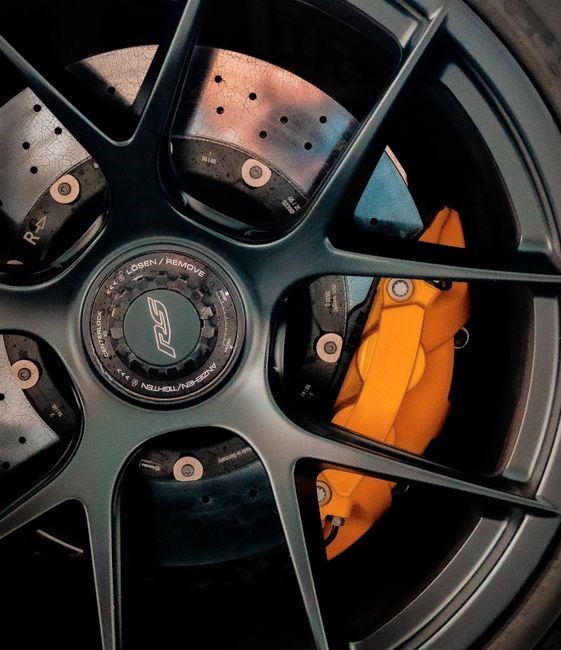
Overview of Manual Brakes
Manual brakes rely on a hand‑lever or foot pedal to engage a cable or hydraulic system‚ applying friction to the wheels. Though most new cars now use electric parking brakes‚ the traditional manual handbrake remains valued for its simplicity and reliability‚ especially in older models. safety.!!
Definition and Functionality
Manual brakes‚ often called handbrakes or parking brakes‚ are a mechanical or hydraulic system that applies friction to a vehicle’s wheels when the driver pulls a lever or presses a pedal. The system typically consists of a lever or pedal‚ a cable or hydraulic line‚ and a set of brake shoes or pads that press against a drum or disc. When engaged‚ the cable pulls the brake shoes inward‚ creating friction that resists wheel rotation. This friction is generated by the brake material’s interaction with the drum or disc‚ converting kinetic energy into heat. Unlike the main braking system‚ manual brakes are designed to hold the vehicle stationary rather than to stop it while moving. They are usually engaged only when the vehicle is parked or in a low‑speed maneuver such as a hill start. The lever or pedal is connected to a linkage that transmits force to the brakes‚ and the force applied can be adjusted through a spring or hydraulic pressure to ensure adequate holding power. In many older vehicles‚ the handbrake lever is located in the center console‚ while newer models may use a foot‑pedal or an electronic actuator that mimics the manual action. The fundamental principle remains the same: a mechanical or hydraulic link applies pressure to brake components‚ generating friction that keeps the wheels from turning.
The handbrake lever is located in the center console‚ linking directly to the rear brakes for safety now!!
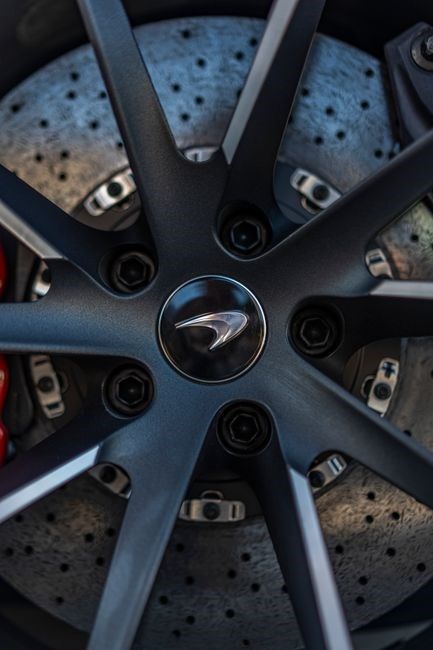
Historical Context
Manual brakes began in the early 1900s with cable‑driven levers‚ later evolving to hydraulic drum systems. They remain in many older cars and some modern models‚ providing a backup to parking brakes. Their simplicity and reliability are valued for safety in everyday use.
Evolution of Manual Braking Systems
Manual braking systems have evolved from simple cable‑driven levers in the earliest automobiles to sophisticated hydraulic linkages that provide consistent‚ reliable stopping power. In the 1900s‚ most vehicles relied on a hand‑lever that pulled a cable to engage drum brakes‚ offering a straightforward yet effective method for parking and emergency stops. As automotive technology advanced‚ manufacturers introduced hydraulic systems that replaced the cable with fluid‑powered pistons‚ allowing for smoother operation and reduced effort for the driver. The transition to hydraulic linkages also facilitated the integration of power‑assist features‚ enabling drivers to apply the handbrake with minimal physical exertion while maintaining full braking authority. Despite the rise of electronic parking brakes in modern cars—reported to account for 70 % of new models—manual systems remain prevalent in many older and enthusiast vehicles‚ such as the 1999 Camaro SS and the 2022 Subaru Outback. These models often retain a manual handbrake lever‚ providing a tactile connection between driver and vehicle that many find reassuring. The continued presence of manual brakes in certain markets underscores a legacy of engineering that prioritizes direct driver control and mechanical redundancy. Their enduring presence offers drivers a tactile sense of controlvaluable in situations where electronic systems may fail or in off‑road conditions where reliability is paramount.
Key Components
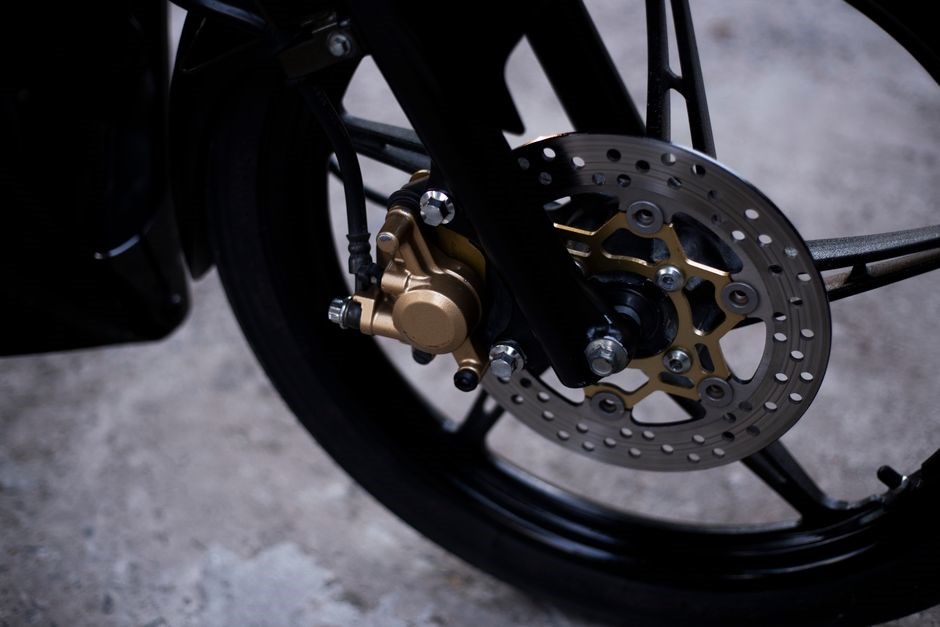
The key components of a manual brake system are the handbrake lever‚ the linkage that transmits force‚ and the medium—either a steel cable pulling drum brakes or a hydraulic line actuating pistons. Together they provide reliable stopping power. It is essential for safety and maintenance. Tight. OK!
Handbrake Lever and Linkage
The handbrake lever is the primary interface for engaging the parking brake. Located in the driver’s cabin‚ it typically features a lever or button that‚ when pulled or pressed‚ activates a mechanical linkage that transmits force to the rear braking system. The linkage itself consists of a series of rods‚ cables‚ and pivot points that convert the lever’s motion into a linear pull on the brake drums or discs. In most conventional vehicles‚ the lever is connected to a steel cable that runs through the vehicle’s chassis‚ terminating at the rear brake assembly. The cable’s tension is adjusted during installation to ensure a smooth‚ progressive engagement of the brakes. When the lever is released‚ a spring mechanism or the cable’s own elasticity returns the system to its neutral position‚ disengaging the brakes. Regular inspection of the lever‚ cable‚ and linkage is essential‚ as wear‚ corrosion‚ or misalignment can lead to reduced braking performance or failure. Proper maintenance includes lubricating pivot points‚ checking cable tension‚ and replacing worn components. The handbrake lever and its linkage remain a critical safety feature‚ especially in older models that lack electronic parking brakes. Routine checks of the lever’s alignment and cable tension can prevent unexpected disengagement‚ while proper lubrication of pivot points extends the lifespan of the linkage system. A properly maintained handbrake can serve as safety backup during emergencies!.
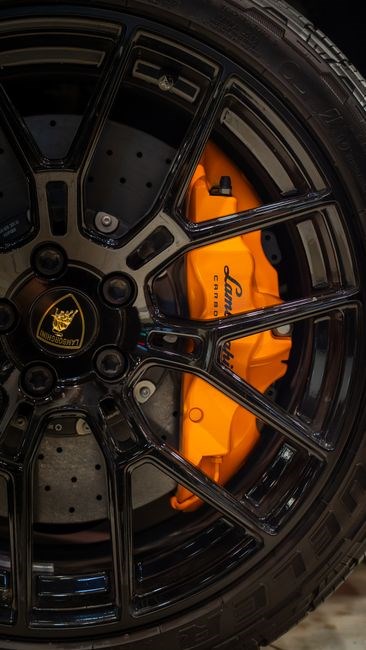
Brake Cable vs Hydraulic Linkage
Brake cable systems transmit force through a steel wire that runs from the hand‑brake lever to the rear brakes. Their simplicity and low cost make them common in older cars‚ but cables can stretch‚ corrode‚ or wear‚ reducing effectiveness over time. Hydraulic linkages‚ in contrast‚ use fluid pressure to move pistons or calipers‚ delivering a more consistent and powerful braking force. They offer smoother operation and are less affected by environmental factors‚ but require more complex maintenance‚ including fluid checks and seal inspections. Many modern vehicles combine the two: a cable engages the hydraulic system‚ leveraging the reliability of cables and the performance of hydraulics. When selecting a system‚ factors such as vehicle weight‚ driving conditions‚ and maintenance budgets play a role. Heavy‑duty or high‑performance cars tend to favor hydraulics for their superior torque delivery‚ while light commuter models often retain cables to keep costs down. Regardless of the choice‚ regular inspection of cable tension‚ hydraulic fluid level‚ and seal integrity is essential. Failure of either system can lead to loss of parking brake function‚ so redundancy and proper maintenance are critical for safety. Diagnostic tools can detect early signs of cable stretch or hydraulic pressure loss‚ enabling preemptive repairs. Mechanics must be skilled in cable tensioning‚ hydraulic calibration‚ and understanding temperature effects on fluid viscosity. Vehicle owners should refer to the service manual for recommended inspection intervals and replacement thresholds‚ ensuring the manual braking system remains dependable throughout its lifespan. This comprehensive approach guarantees reliable stopping power across all driving scenarios!.
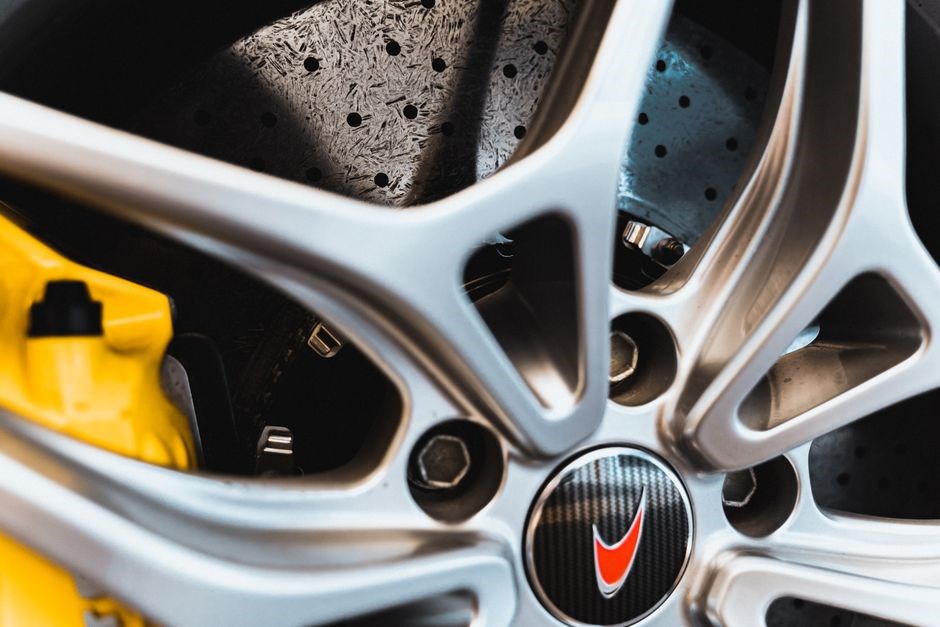
Braking Mechanics
Manual braking relies on friction between brake pads and discs or drums‚ activated by a lever or pedal. The hand‑brake pulls a cable that tightens the rear shoes or pads‚ converting mechanical motion into stopping force. Consistent tension and proper alignment ensure reliable deceleration.!!!!!!!.
Disc vs Drum Brakes in Manual Systems
In manual‑brake setups‚ the choice between disc and drum mechanisms hinges on performance‚ maintenance‚ and cost. Disc brakes‚ featuring a rotor and caliper‚ provide superior heat dissipation‚ consistent stopping power‚ and easier inspection. Their open design allows air to escape‚ reducing fade during prolonged use. Drum brakes‚ enclosed within a wheel hub‚ are mechanically simpler and cheaper to manufacture. They excel in low‑speed‚ low‑heat scenarios and offer a more compact footprint‚ making them common in older or budget vehicles. However‚ drums can suffer from heat buildup‚ leading to reduced braking efficiency under heavy loads. Disc systems‚ while slightly heavier and more expensive‚ deliver better modulation and are less prone to water‑induced slip. In manual vehicles‚ the hand‑brake lever typically engages the rear brakes; many manufacturers still pair a drum at the rear for cost savings‚ while the front uses discs for optimal stopping; The decision ultimately balances vehicle weight‚ expected use‚ and maintenance preferences.
The longevity of manual braking systems depends on regular inspection of cables‚ linkages‚ and friction materials. Replacement intervals vary: brake pads often require 30‚000–50‚000 miles‚ while drums may need resurfacing sooner. Proper lubrication of pivot points and cable housing prevents corrosion‚ ensuring consistent hand‑brake performance across diverse driving conditions. Check these nowx!
Service hand‑brake yearly now!!!!

Materials and Wear
Brake pads are typically made from organic‚ semi‑metallic‚ or ceramic composites‚ each balancing friction‚ wear rate‚ and noise. Disc rotors come in cast iron‚ steel‚ or carbon‑fiber alloys‚ affecting heat dissipation and weight. Regular inspection detects wear before safety failure. always safe. now
Brake Pad Composition
Brake pads are engineered from a variety of composite materials‚ each chosen for its friction coefficient‚ thermal stability‚ and wear characteristics. Organic pads‚ made from fibers such as glass‚ aramid‚ or carbon‚ are prized for low noise and light weight‚ but they tend to wear faster and produce less stopping power at high temperatures. Semi‑metallic pads incorporate metal shavings or steel fibers‚ offering superior heat dissipation and durability‚ yet they can be noisier and may accelerate wear on rotors. Ceramic pads‚ composed of ceramic fibers‚ carbon‚ and bonding agents‚ deliver high performance with minimal dust and excellent longevity‚ though they are typically more expensive. In addition‚ specialty blends—such as low‑dust or high‑temperature formulations—are tailored for racing or heavy‑load applications. Each material’s performance is influenced by the pad’s backing plate construction‚ the type of friction material‚ and the presence of additives that enhance heat transfer or reduce noise. Regular inspection of pad thickness and surface integrity is essential‚ as uneven wear can lead to vibration or reduced braking efficiency. Proper selection of pad material‚ matched to vehicle type and driving conditions‚ ensures optimal safety and cost‑effectiveness.
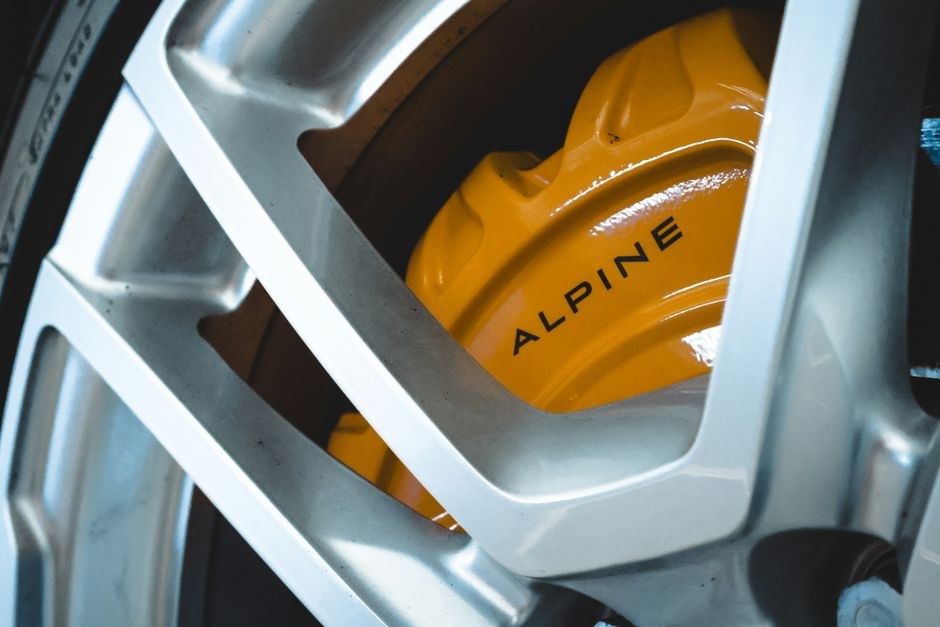
Brake Disc Material Options
Brake discs‚ also known as rotors‚ are critical to manual braking performance. The most common material is cast‑iron‚ chosen for its excellent heat capacity‚ cost efficiency‚ and ability to maintain a smooth surface for pad contact. Cast‑iron discs can be plain or drilled‚ with drilled variants offering enhanced heat dissipation through perforations that allow air to flow between the rotor and the brake pad. Steel rotors‚ often used in heavy‑duty or off‑road vehicles‚ provide higher strength and resistance to deformation under extreme loads‚ but they are heavier and can be more prone to warping. Aluminum rotors‚ lighter than iron‚ are favored in performance cars for reduced unsprung mass; however‚ they have lower thermal conductivity and may require more frequent maintenance. For racing or high‑performance applications‚ carbon‑fiber or ceramic composite discs are employed. These materials offer exceptional heat resistance‚ allowing sustained braking without fade‚ and they are extremely lightweight‚ contributing to overall vehicle efficiency. Carbon‑fiber discs‚ however‚ are expensive and typically used only in specialized vehicles. Ceramic discs combine the benefits of carbon with improved durability and lower cost‚ but they can be brittle and may crack under sudden impact. Hybrid designs‚ such as a steel core with an aluminum or ceramic outer layer‚ aim to balance strength‚ weight‚ and thermal performance. The choice of disc material directly influences braking feel‚ fade resistance‚ and maintenance intervals‚ making it essential to match the rotor to the vehicle’s intended use and driving conditions.
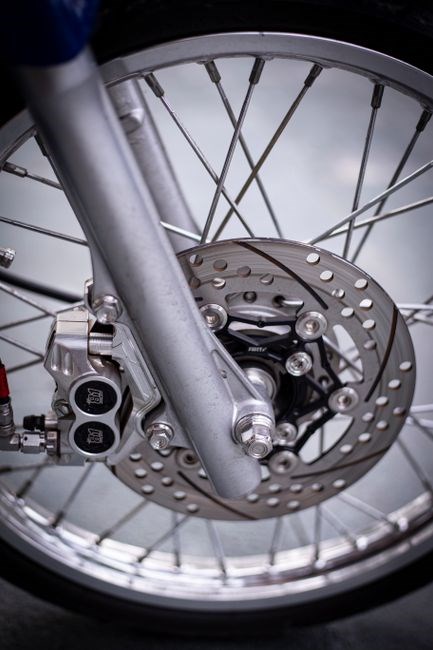
The choice of disc material making rotor vehicle’s!!??

Advantages and Drawbacks
Manual brakes offer tactile feedback‚ straightforward maintenance‚ and reliability in diverse conditions. However‚ they can be less effective at high speeds‚ require physical effort‚ and may fail if cables stretch or hydraulic fluid leaks‚ posing safety risks.!!!
Advantages of Manual Brakes
Manual braking systems‚ traditionally powered by a hand lever or foot pedal‚ provide a direct mechanical link between the driver and the vehicle’s stopping mechanism. This tactile connection offers immediate feedback‚ allowing operators to gauge braking force precisely and adjust it in real time. The simplicity of cable‑driven or hydraulic linkages eliminates complex electronic control units‚ reducing the potential for software glitches or sensor failures. Maintenance is straightforward: technicians can inspect cables‚ adjust tension‚ or replace worn components without specialized diagnostic equipment. The lower cost of parts and labor makes manual brakes attractive for budget‑conscious buyers and for fleets that prioritize durability over cutting‑edge technology. In many off‑road or heavy‑vehicle applications‚ manual systems are preferred because they can be manually overridden or adjusted in the field without power. Additionally‚ manual brakes act as a fail‑safe; if the vehicle’s electrical system fails‚ the driver can still engage the parking brake by hand‚ ensuring the car remains stationary. Finally‚ the absence of electronic components means fewer points of failure‚ which translates to higher reliability in harsh environments or during extended periods of inactivity; Because of these strengths‚ many classic and specialty vehicles still rely on manual brakes‚ ensuring dependable performance even when modern systems fail and keep vehicles safe. They provide a sense of control that drivers appreciate now!
Disadvantages and Safety Implications
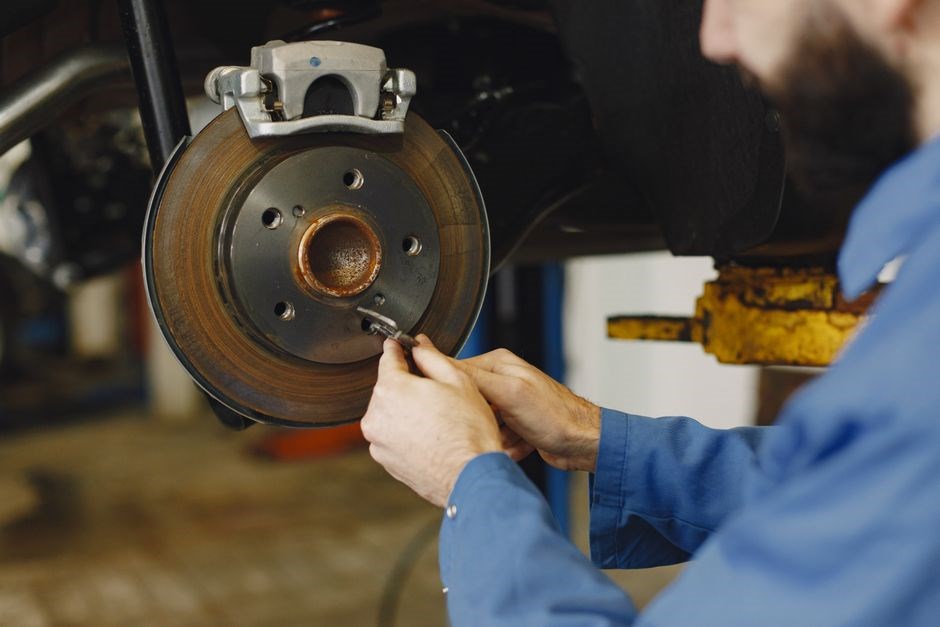
While manual brakes offer simplicity‚ they also bring notable drawbacks that can compromise safety and performance. The reliance on mechanical linkages means that wear‚ corrosion‚ or accidental damage to cables and rods can gradually reduce braking effectiveness. Unlike electronic systems that can monitor and alert drivers to faults‚ manual setups lack built‑in diagnostics‚ so a failing cable may go unnoticed until a sudden loss of braking occurs. The absence of power assistance requires the driver to exert significant physical effort‚ especially on steep inclines or in heavy‑load situations‚ increasing the risk of fatigue or improper engagement. In modern vehicles‚ electronic parking brakes can automatically apply a calibrated force and lock the wheels‚ whereas manual brakes depend on the driver’s strength and consistency; inconsistent application can lead to uneven wheel lockup‚ causing loss of traction or wheel hop. Additionally‚ manual brakes are more susceptible to environmental factors such as moisture‚ temperature extremes‚ and road debris‚ which can cause cable fraying or hydraulic fluid contamination. The lack of a fail‑safe electronic override means that if the driver forgets to engage the handbrake or if the lever becomes jammed‚ the vehicle may roll‚ posing a hazard on inclines or during parking. Finally‚ the need for regular manual adjustments increases maintenance burden and‚ if neglected‚ can result in a weak or non‑functional parking brake‚ undermining vehicle security and safety. These disadvantages underscore why many manufacturers are shifting toward electronic or dual‑mode systems that combine the reliability of manual engagement with the safety features of electronic monitoring. Moreover‚ the manual system’s reliance on physical force can be problematic for drivers with limited strength or mobility‚ potentially leading to incomplete engagement and a higher likelihood of vehicle roll‑over. In addition‚ the manual system’s lack of integrated torque‑control can lead to over‑application of force‚ causing wheel lockup and compromising vehicle stability during emergency stops!!