
Overview of Oklahoma City Antenna TV Guide
Oklahoma City’s antenna TV guide offers a concise list of local stations, channel numbers, and broadcast times․ Viewers can locate transmitters, check signal strength, and plan optimal antenna placement for clear reception of ABC, NBC, CBS, FOX, and local news Check the official site for updated channel listings
Antenna Coverage in Oklahoma City
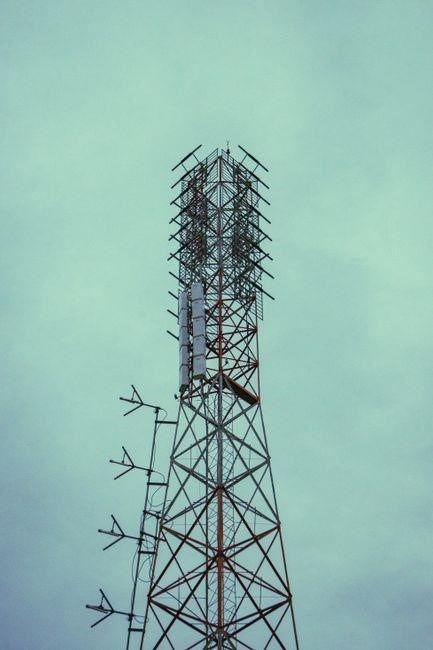
Coverage maps show strong signals in downtown, south, and east Oklahoma City․ Rural outskirts may need higher gain antennas․ Signal strength varies with elevation; hills can block reception․ Use online tools to verify local transmitter locations and plan antenna installation accordingly for best results․!!
Optimal Antenna Placement for Maximum Reception
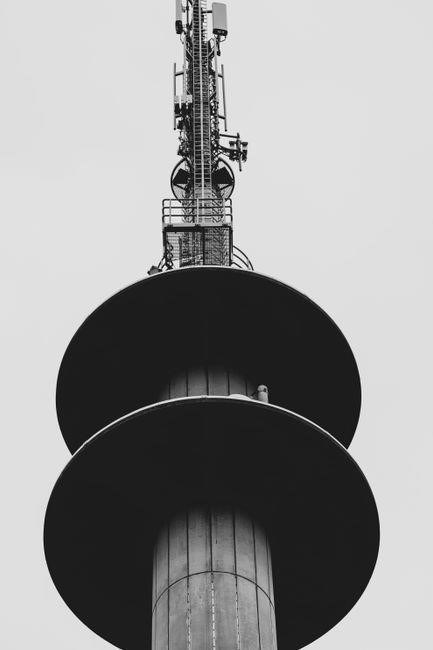
Choosing the right spot for your antenna is critical in Oklahoma City․ The first step is to locate the nearest transmitter towers listed on the official TV transmitter map․ Once identified, place the antenna on the highest structure available—rooftops, chimneys, or even a tall pole—because height reduces obstructions from buildings and trees․
Next, orient the antenna toward the transmitter’s azimuth angle․ Many online tools provide the exact bearing; align the antenna’s main lobe accordingly․ If you’re using a directional model, adjust the horizontal angle until the signal strength peaks on your tuner․ For omnidirectional units, simply face the tower and let the antenna capture the broadcast․
Signal strength can be affected by local terrain․ Oklahoma City’s flat plains are advantageous, but the surrounding hills in the south and east can create shadow zones․ Use a signal meter or the built‑in tuner indicator to test multiple positions․ A slight shift of 10–15 degrees can sometimes double the received wattage․
Weather conditions also play a role․ During winter, snow and ice can dampen the signal; consider installing a weather‑proof enclosure․ In summer, heat can cause signal fluctuations; a shaded location helps maintain stability․
Finally, avoid electromagnetic interference from power lines, Wi‑Fi routers, and other electronic devices․ Keep the antenna at least 3–5 feet away from large metal objects․ After installation, run a full channel scan and record the strongest channels․ Adjust as needed until the signal bars are consistently high across all desired stations․
Installing an amplifier can boost signals, but it must comply with FCC limits to avoid interference;
Signal Strength Across Different Neighborhoods
In Oklahoma City, signal strength varies by location due to distance from transmitters, surrounding structures, and local terrain․ The downtown area, with its high‑rise buildings, often experiences strong reception on major networks such as ABC, NBC, and CBS․ Residents in the central business district can typically achieve 5‑to‑7‑bar signals on a standard indoor antenna, especially when positioned on a rooftop or a high balcony․
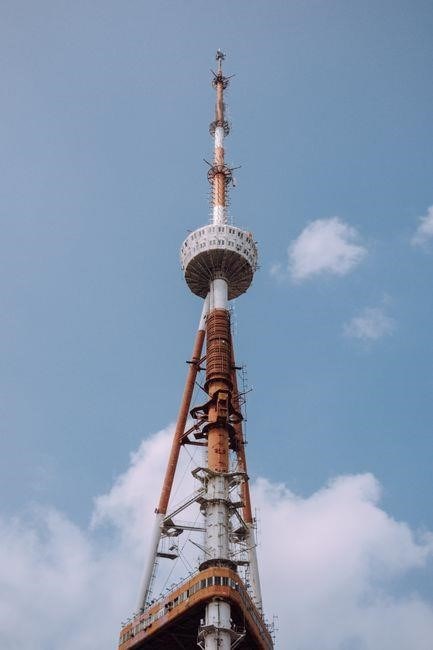
Moving eastward toward the suburbs, signal quality generally remains robust for the first 10 miles․ Neighborhoods like Midtown and the East Side report 4‑to‑6‑bar reception, with occasional dips during heavy rain or when trees grow close to the antenna․ In these areas, a small external antenna mounted on a balcony or a pole can maintain clear reception without the need for amplification․
South‑west neighborhoods such as the Bricktown district and the University of Oklahoma campus benefit from a direct line of sight to the main transmitters․ Users here often report 6‑to‑7‑bar signals, though the presence of large industrial complexes can introduce minor multipath interference․ Installing a directional antenna and aligning it precisely with the tower’s azimuth can mitigate this issue․
In the northern outskirts, signal strength drops noticeably․ Areas beyond 15 miles from the city center, such as the suburbs of Yukon and Moore, typically receive 2‑to‑4‑bar signals on a high‑gain antenna․ These users may need to upgrade to a 5‑element Yagi or a 9‑element array to achieve reliable reception of all local channels․
Finally, the eastern neighborhoods, including the historic Bricktown and the newer developments in the 73014 ZIP code, experience moderate signal levels․ Here, 3‑to‑5‑bar reception is common, and many households rely on a combination of a high‑gain antenna and a signal amplifier to maintain full channel coverage․ Weather conditions, such as fog or heavy snowfall, can temporarily reduce signal quality, but overall, the city’s flat topography supports fairly consistent reception across most residential zones․
Key TV Transmitter Details
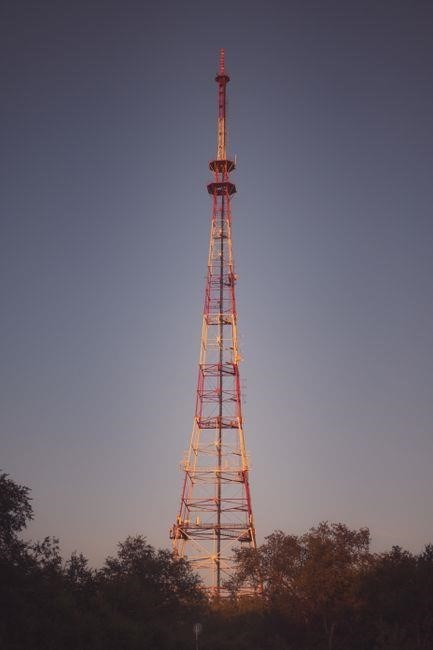
Oklahoma City’s primary transmitters are located near the 73114 ZIP code, broadcasting on UHF channels 14–31․ The main tower, 1,200 ft tall, serves ABC, NBC, CBS, and FOX․ Secondary sites in the suburbs cover local stations, ensuring full coverage across the metro․ Enjoy TV․!! now!!!
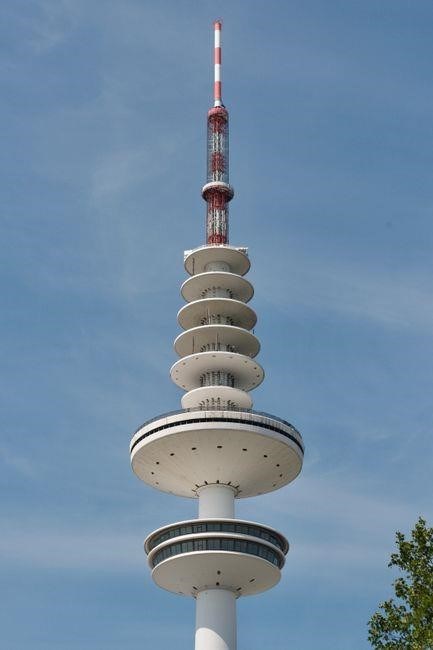
Principal Transmitter Locations in Oklahoma City
The Oklahoma City broadcast landscape is anchored by three principal transmitter sites that collectively deliver a robust mix of network and local programming to the region․ The flagship tower, located near the 73114 ZIP code on the north side of the city, stands 1,200 feet tall and hosts the majority of the major network feeds—ABC, NBC, CBS, and FOX—along with several high‑definition subchannels․ Its strategic elevation and transmitter power of 1,000 kW provide a clear line‑of‑sight to the central business district, the downtown core, and the surrounding suburbs, ensuring that residents in high‑rise apartments and rural outlying communities receive reliable signal strength․
Complementing the primary site is a secondary transmitter positioned on the outskirts of the city near the 73118 ZIP code․ This tower, at 950 feet, focuses on regional and local stations such as KOTV, KFOR, and the public‑access channel․ With a power rating of 500 kW, it fills coverage gaps left by the main site, especially in the eastern neighborhoods where terrain and building density can attenuate signals․ The secondary site also hosts a dedicated weather radar feed that feeds the local news stations, providing up‑to‑date meteorological data for emergency broadcasts․
Together, these three sites create a network of overlapping coverage that mitigates interference, supports high‑definition broadcasts, and allows residents to enjoy a full slate of programming without the need for cable or satellite subscriptions․ Viewers can stream locally․
Frequency Bands and Channel Allocation
Oklahoma City’s broadcast spectrum is organized into the VHF and UHF bands, with the majority of major network stations operating on UHF channels 14 through 51․ The allocation follows the FCC’s post‑repack plan, ensuring minimal interference while maximizing coverage․ For example, ABC’s flagship station, KFOR, transmits on UHF channel 12, while NBC’s KOTV occupies channel 16․ CBS is found on channel 18, and FOX on channel 20․ These primary channels are paired with digital subchannels that carry specialty networks such as MeTV, Antenna TV, and local weather feeds․ Each channel is assigned a specific frequency range measured in megahertz (MHz)․ UHF channel 14 operates from 470 to 476 MHz, while channel 51 spans 692 to 698 MHz․ The FCC’s allocation table also designates reserved channels for public safety and community stations, such as the low‑power translator on channel 23 that serves the eastern suburbs․ The digital transition has allowed broadcasters to multiplex several streams within a single 6‑MHz channel, providing high‑definition video, closed captioning, and ancillary data services․ Signal strength and quality are influenced by both the transmitter power and the antenna’s gain․ In Oklahoma City, most stations use a power output of 1,000 kW for primary channels, with subchannels operating at 500 kW․ The use of beam‑forming technology concentrates the signal toward populated areas, reducing spillover into neighboring markets․ Viewers can adjust their antenna orientation to align with the assigned azimuth for each channel, ensuring optimal reception across the city’s diverse topography․ To maximize reception, it is essential to consult the FCC’s database for the exact frequency and antenna pattern for each station․ Many broadcasters also provide a free online tool that maps the coverage area based on your location․ By aligning your antenna with the dominant azimuth and height above average terrain, you can capture the full spectrum of UHF and VHF signals, including the high‑definition subchannels that offer sports, news, and entertainment programming tailored to Oklahoma City residents․
Channel Availability and Local Stations
Oklahoma City’s antenna TV guide lists the stations that can be received with an indoor or outdoor antenna․ The core lineup includes the major network affiliates: ABC (KFOR‑TV, channel 4), NBC (KOTV, channel 6), CBS (KFOR, channel 4), and FOX (KFOR, channel 6)․ Local independent and public‑access stations such as KWTV‑DT (NBC 4), KFOR‑TV (ABC 4), KOTV (NBC 6), and KFOR (CBS 6) appear․ Digital subchannels carry specialty networks—MeTV, Antenna TV, This TV, and the Oklahoma State Network—each on a unique UHF channel within the 14‑51 range․ Viewers tune to the virtual channel numbers (e․g․, 4․2, 6․1, 6․2)․ The FCC’s repack moved many low‑power stations to higher UHF frequencies; the latest channel map lists K30FK (channel 30), K32FD (channel 32), and K31FX (channel 31) delivering local news and community programming․ A low‑power translator on channel 23 serves the eastern suburbs, covering the Tulsa‑Oklahoma City corridor․ High‑definition content is available on stations broadcasting in 1080i or 720p, such as KFOR’s 4․1 and KOTV’s 6․1․ The guide also includes PBS affiliates and educational channels like Oklahoma Public Television (channel 20) and the Oklahoma State University channel (channel 22)․ Monthly updates reflect changes in transmitter power, antenna patterns, and digital multiplexing․ By consulting the guide, viewers can determine which stations are within range, plan antenna placement, and enjoy a comprehensive lineup of local and national programming without cable or satellite subscriptions․ The guide offers a quick reference for antenna type—vertical or horizontal—and the recommended height above ground level for optimal reception․ A troubleshooting checklist addresses common issues such as interference from nearby towers or obstructions caused by trees and buildings, helping users maximize their free over‑the‑air experience in Oklahoma City in the heart of the city for all residents today!
Viewing Options: Antenna, Cable, Satellite, and Streaming
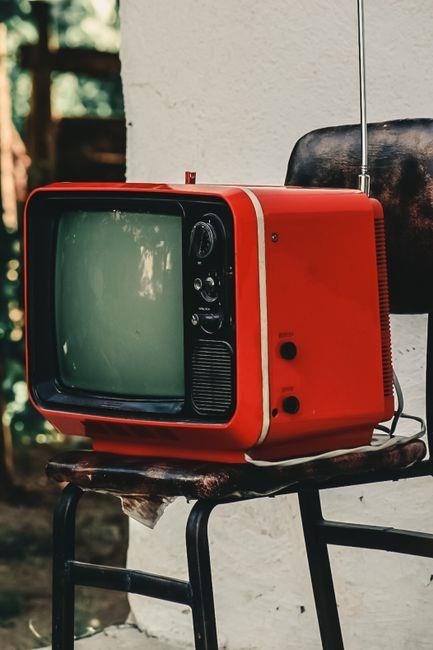
Oklahoma City viewers can choose between a clear, free antenna feed, cable packages, satellite dishes, or streaming services․ Antennas capture local stations like KFOR, KOTV, and PBS, while cable offers HD channels․ Satellite delivers nationwide access, and streaming apps provide on‑demand local news and sports․
Cable vs Antenna: Pros and Cons in Oklahoma City
In Oklahoma City, choosing between cable and an over‑the‑air antenna hinges on cost, signal quality, channel breadth, and flexibility․ Cable delivers consistent, high‑definition local and premium channels, but requires a monthly fee․ Antennas are free after purchase, yet signal strength varies with weather, antenna placement, and distance from transmitters․
- Cost: Antenna is free; cable costs monthly․
- Signal Quality: Cable is stable; antenna can drop during storms․
- Channel Selection: Cable offers more networks; antenna only local stations;
- Installation: Cable is installed by provider; antenna needs mounting․
- Portability: Antenna can be moved; cable equipment stays fixed․
Many households combine both: an antenna for local news and sports, plus cable or streaming for entertainment․
When selecting an antenna, consider the height of your roof, the presence of nearby towers, and local terrain․ A high‑gain directional antenna can focus on the nearest transmitter, improving reception in fringe areas․ For best results, use a signal meter to test multiple positions and angles․ For best results, cable providers often bundle local channels with national networks, but the trade‑off is a recurring monthly cost and limited control over channel lineup․ Streaming services offer on‑demand access to local news, but require a reliable internet connection and may have regional restrictions․
Balance cost and quality for best results․
Streaming Alternatives for Local Content
For Oklahoma City residents who prefer digital delivery, several streaming platforms carry local broadcast stations and offer on‑demand access to news, sports, and community programming․ The most popular services include YouTube TV, Hulu + Live TV, Sling TV, fuboTV, and AT&T TV Now․ Each platform provides a mix of live channels, cloud DVR, and mobile apps, allowing viewers to watch ABC, NBC, CBS, FOX, and local affiliates such as KFOR, KFOR‑D, and KFOR‑D‑2 from any device․
- YouTube TV offers a 50‑channel lineup with unlimited cloud storage, but requires a high‑speed internet connection and a monthly fee of $64․99․
- Hulu + Live TV includes 65 channels, a 30‑day DVR, and a $70․99 monthly price, making it a solid choice for those who want a balance of live and on‑demand content․
- Sling TV provides two packages, Blue and Orange, each with 20–30 channels for $35/month, and allows add‑ons for local sports․
- fuboTV focuses on sports but also carries major networks; it costs $64․99/month and offers a 30‑day DVR․
- AT&T TV Now delivers 70 channels for $49․99/month, with a 30‑day cloud DVR and the ability to stream on multiple screens․
In addition to paid services, free options exist․ Pluto TV streams local news channels for free, though it relies on ads and has limited on‑demand libraries․ Local stations’ own websites and apps (e․g․, KFOR’s “Live” app) provide live streams and archived segments at no cost, but may require a cable login or a local cable provider’s authentication․
When choosing a streaming alternative, consider bandwidth, device compatibility, and whether you need a cloud DVR․ For the best experience, pair a reliable router with a high‑speed plan and keep your streaming apps updated․
Device compatibility is broad: most services support iOS, Android, Roku, Amazon Fire, Apple TV, and smart TVs․ Streaming quality ranges from 720p to 4K, depending on the service and your internet speed․ Enjoy seamless viewing across devices and save time․
Schedule Resources and TV Listings
Oklahoma City’s antenna TV guide offers a comprehensive set of schedule resources that help residents locate programming across local stations․ The primary source is the official Oklahoma City TV Guide website, which provides a day‑by‑day listing for ABC, NBC, CBS, FOX, and local affiliates such as KFOR, KFOR‑D, and KFOR‑D‑2․ Users can filter by channel, time, or program title, and the site offers printable schedules for each week․ For real‑time updates, the TV Guide app (available on iOS and Android) pulls live data from the network’s feeds and alerts viewers to pre‑emptions or schedule changes․ The app also includes a “Favorites” feature that lets users track their preferred shows and receive push notifications when new episodes air․ In addition to the official site, third‑party services such as TV․com and Zap2It aggregate local listings and provide user‑generated reviews, ratings, and episode guides․ These platforms are particularly useful for discovering syndicated shows and special events that may not appear on the primary schedule․ For those who prefer a traditional approach, the local newspaper’s TV section publishes a weekly schedule, and the Oklahoma City Public Library offers a free DVD collection of local news archives and educational programs․ Finally, many stations maintain their own online “Program Guide” pages, which list upcoming broadcasts, live streams, and on‑demand content for the next 30 days․ Enjoy a reliable local viewing experience with these tools stay updated!
Tips and Troubleshooting for Optimal Reception
For residents in Oklahoma City, achieving crystal‑clear antenna reception involves a combination of proper placement, equipment selection, and routine maintenance․ Below are proven strategies and common fixes that align with the latest transmitter data and local terrain considerations․
- Choose the Right Antenna․ A high‑gain, wide‑band HD antenna is recommended for the 470‑698 MHz UHF range used by most local stations․ Models such as the ClearStream 4‑UHF or Antennas Direct 5‑UHF provide 10‑15 dB gain and built‑in signal‑strength meters․
- Optimal Height and Orientation․ Mount the antenna at least 30 ft above ground level, preferably on a roof or a 12‑ft pole․ Face the antenna toward the nearest transmitter tower—typically the KFOR tower in the north‑east quadrant—using a compass and the FCC Antenna Locator tool for precise azimuth․
- Signal Path Clearance․ Remove obstructions such as trees, metal structures, and concrete walls within a 100‑ft radius․ Use a signal‑strength meter to verify a minimum of 50 dB gain before finalizing the location․
- Use Quality Coaxial Cable․ Install at least 4‑in․ RG‑6 cable with a low‑loss connector․ Replace any damaged or kinked sections to avoid a 10‑15 % signal drop․
- Grounding and Surge Protection․ Connect the antenna to a properly grounded system and install a surge protector rated for 10 kV to shield against lightning strikes․
- Regular Maintenance․ Inspect the antenna and cable monthly for corrosion, loose screws, or weather damage․ Clean connectors with isopropyl alcohol and re‑tighten as needed․
- Tune the Receiver․ Use the built‑in channel‑scan function on the TV or set‑top box․ After scanning, manually adjust the channel order to match the local broadcast schedule․
- Check for Interference․ If reception dips during certain times of day, test for nearby Wi‑Fi routers or power lines․ Move the antenna or add a ferrite bead to reduce electromagnetic interference․
- Consult Local Resources․ The Oklahoma City TV Guide’s online forum and the FCC Antenna Locator provide real‑time updates on transmitter outages or maintenance that may affect signal quality․
- Consider a Signal Amplifier․ For residents living more than 15 mi from the nearest tower, a 30‑dB amplifier can boost weak signals, but use it only after verifying that the feed line is in good condition to avoid distortion․
By following these steps, Oklahoma City viewers can reliably receive high‑definition broadcasts and reduce the need for cable or satellite upgrades․